Is the customer always right?
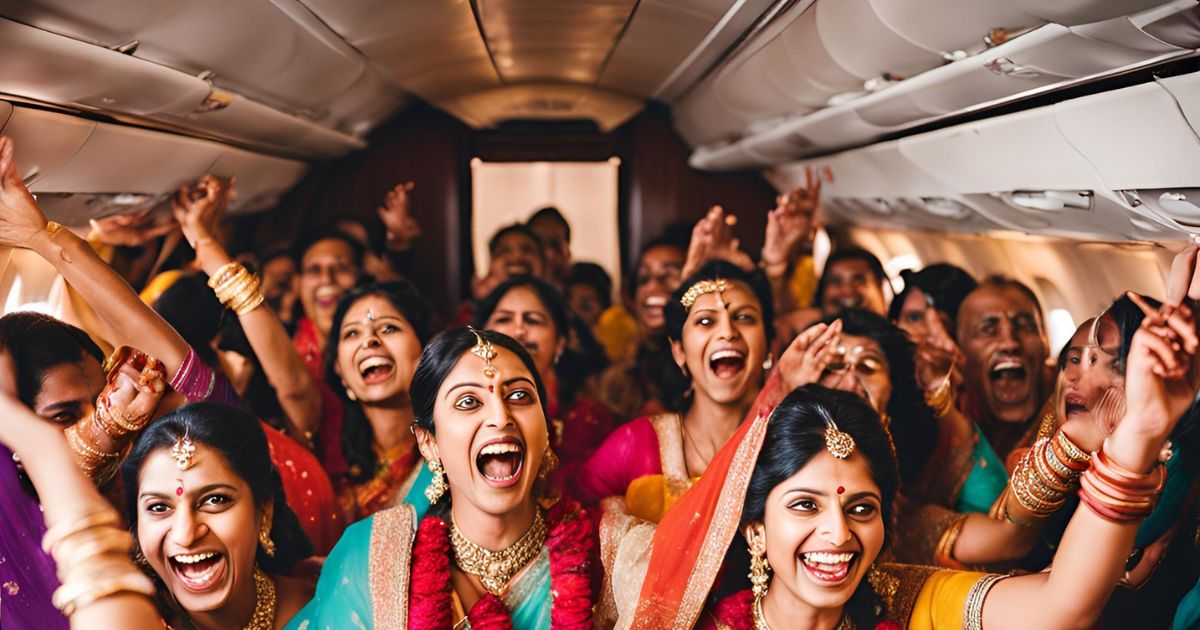
This question lingered in my mind after a flight experience two days ago while traveling from Pune to Hyderabad on India’s largest airline. A group of over 50 exuberant individuals, returning from a wedding, boarded the plane. Their cheerfulness was infectious initially but soon crossed boundaries, as they disregarded several critical airline protocols:
- Constant Seat Swapping at the Emergency Exit
Passengers seated at the emergency exits—members of the group—kept exchanging seats, disrupting the standard safety briefing process. - Disturbing Fellow Passengers with Loud Singing
What started as joyful singing escalated to disruptive noise, disturbing others onboard. - Playing Loud Music on Portable Speakers
Music blared from their speakers, drowning out important announcements from the crew and the pilot. - Dancing While Taxiing
As the plane was taxiing to a stop, a spirited 50-year-old lady from the group demanded music, performed a brief dance routine, and completely disregarded the seatbelt signs.
While the cabin crew and even the pilot made attempts to control the situation, their efforts were met with limited success. The most striking moment came when the same lady sitting beside me said in Hindi, “We’ve paid for our seats, so who can stop us?”
This statement led me to ponder:
- Should any form of customer behavior be acceptable simply because they’ve paid for the service?
- What about the comfort and safety of other customers who are also stakeholders in this situation?
- How do businesses—airlines, or otherwise—enforce rules that have been agreed upon, without alienating paying customers?
This incident isn’t just about the airline industry; it’s a broader question about the balance between bending over backwards for customers and ensuring fairness for all. How do organizations walk the fine line between accommodating customer needs and maintaining decorum?
Keywords:
Customer Experience, Airline Rules, Passenger Behavior, Business Challenges, Leadership Perspectives, Stakeholder Balance, Customer Service Ethics, Problem Solving Strategies, Customer Responsibility, Business Leadership